
There’s a version of mezcal you’ve probably had before. It came in a fancy bottle, cost thirty dollars a pour, and was served with an orange slice and sal de gusano at a bar where someone explained the difference between espadín and tobalá while you nodded along.
That’s fine. That’s not this. This is about Mezcal tours in Oaxaca.
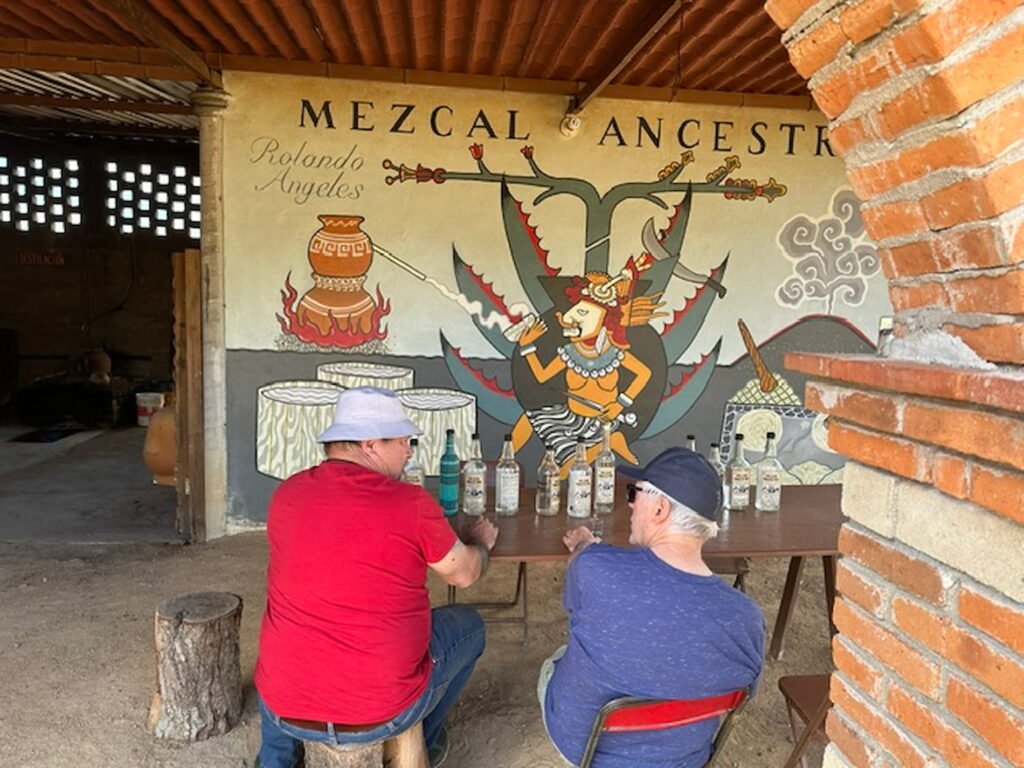
The mezcal that stays with you is the kind you find in a village outside Oaxaca city, in a palenque that looks like it’s been there since before anyone was keeping track, poured from an unlabeled bottle by someone whose family has been doing this the same way for generations. No cocktail menu. No tasting notes. Just mezcal, the way it was meant to be drunk.
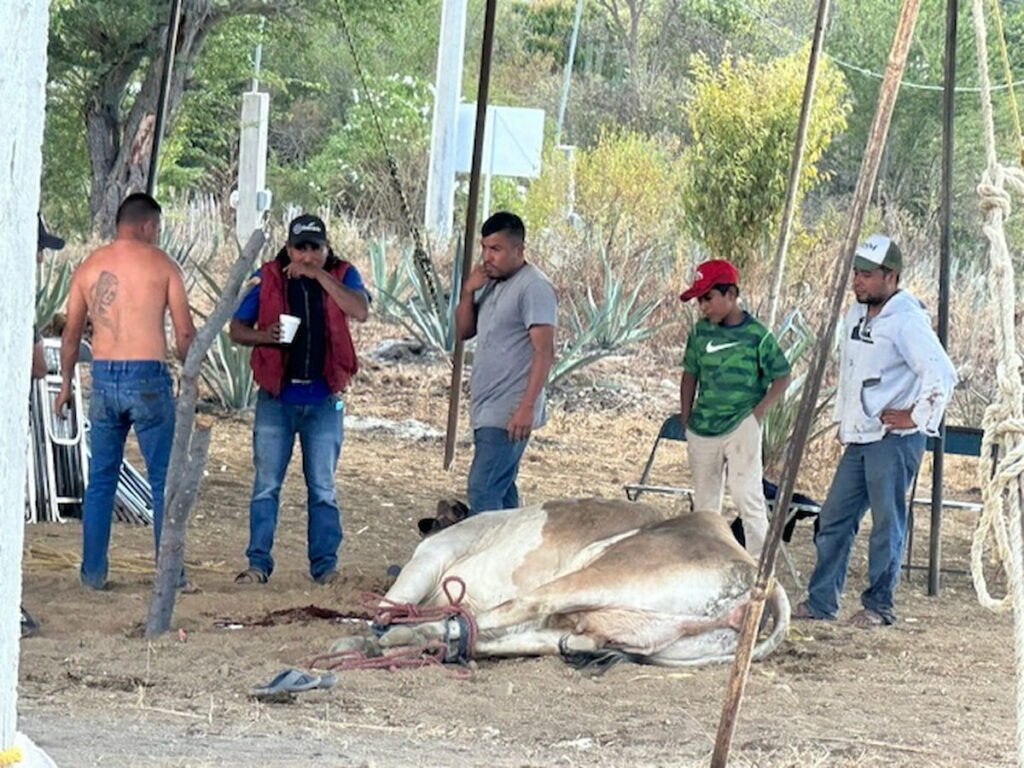
Near the end of 2023, I ended up in Santa Catarina Minas through a connection — not a tour, not a booking, just someone who knew someone. The village was deep in preparation for New Year’s. The women had enormous pots going over open fires, cooking a feast that was going to feed the whole community. The men slaughtered a cow in front of me. I won’t pretend it was easy to watch. But it was part of life there, and I was a guest, and you don’t look away from real things just because they’re uncomfortable.
The mezcal we drank that afternoon was unlike anything I’ve tasted before or since. No label. No story attached to it by a marketing team. Just agave, fire, time, and the hands of people who knew exactly what they were doing.
You probably can’t replicate that experience exactly. But Oaxaca gets you closer than anywhere else.
What to Expect on a Mezcal Tour in Oaxaca
Most Oaxaca mezcal tours take you to one or more palenques in the villages surrounding Oaxaca city. The big ones are San Marcos Tlapazola, Santiago Matatlán — which calls itself the world capital of mezcal — and Santa Catarina Minas, where some of the most sought-after mezcal in the world is made in clay pots using methods that haven’t changed in centuries.
A good tour covers the full process. You’ll see the agave hearts roasting in an underground pit, watch the tahona stone crushing the cooked piña, peer into the wooden fermentation vats, and eventually stand next to the still where the spirit finally takes shape. Then you drink. A lot.
The difference between a good mezcal tour and a great one is the guide. You want someone who has real relationships with the producers, not just a route they run for tourists. The best guides get you into family palenques that don’t have websites, don’t have TripAdvisor pages, and don’t need them.
Plan for a half day at minimum. A full day is better. Bring cash, eat before you go, and wear shoes you don’t mind getting dusty.
When you get hungry, check out our Oaxaca food tours and Oaxaca cooking class pages for inspiration.
Where to Start: The Best Mezcalerías in Oaxaca City
Before you head into the villages, spend a night or two drinking seriously in the city. Oaxaca has some of the best mezcal bars in the world, and they’re a great way to calibrate your palate before you start tasting straight from the still.
In Situ Mezcalería
In Situ is the place serious mezcal drinkers come to first. Founded by Ulises Torrentera, who has written extensively about mezcal, the bar carries what it claims is the largest collection of artisanal mezcal in Mexico. The space is unadorned and intentional — no orange slices, no gimmicks, nothing to distract from what’s in the glass. Tastings run around 450 pesos per person. It’s on Morelos 511 in the centro and open Monday through Saturday from 3 to 11 pm.
Mezcaloteca
Mezcaloteca In Situ’s closest rival for the title of best mezcal bar in the city, and the two couldn’t be more different in approach. Where In Situ is open and convivial, Mezcaloteca is focused and educational. Tastings are personalized and guided, designed to train your palate rather than just fill your glass. One important note: Mezcaloteca requires advance reservations and books up months ahead during high season. Don’t show up without one. Find them on Reforma 506 in the centro.
Plan Your Oaxaca Mezcal Tour
Find Your Perfect Mezcal Experience
Two questions. One recommendation.
How do you want to experience mezcal?
The Best Mezcal Village Tours
Santiago Matatlán
Known as the world capital of mezcal, Santiago Matatlán sits about 45 minutes from Oaxaca City and has dozens of palenques operating at various scales. A guided tour here gives you access to multiple producers in a single afternoon, letting you taste side by side across different agave varieties and production styles. It’s the most accessible introduction to how mezcal is actually made and the right first village stop for most people.
Santa Catarina Minas
This is the one. Santa Catarina Minas is where clay pot distillation is still practiced at scale, producing a mezcal that tastes completely different from anything made in copper. Earthier, more textural, with a finish that lingers in a way copper distillation doesn’t quite achieve. The village is small, the producers are family operations, and the mezcal rarely leaves the region in any official capacity. Getting there requires either a private connection or a guide with real relationships in the village. If you can get in, go.
San Marcos Tlapazola
A quieter stop than Matatlán, but worth the detour for the right traveler. San Marcos is known for smaller batch production and a more intimate palenque experience. Fewer tourists, more time with the producer, and mezcal that hasn’t been polished for export. Some of the best guides in Oaxaca include this as part of a longer village circuit.
After a long day on the mezcal trail, you’ll have to eat. Check out our best restaurants in Oaxaca page to find your spot.
Mezcal Tour Operators Worth Knowing
Most of the best village access in Oaxaca comes through guides with personal relationships rather than packaged tours. That said, a few operators consistently put people in the right places.
Viator and GetYourGuide both carry a solid range of mezcal tours, from half-day village tastings to full-day immersions that include lunch at a producer’s home. Prices range from around $60 USD for a standard tasting tour to $150 and up for a small-group full-day experience. The reviews on both platforms are a reliable filter for weeding out the tourist traps from the real thing.
Browse mezcal tours:
Clay Pot Mezcal: Why It Matters
Most mezcal is distilled in copper pot stills. Santa Catarina Minas uses clay. It’s one of the few places in the world where this method is still practiced on a real scale, and the difference in the glass is significant. The clay imparts something the copper doesn’t — an earthiness, a texture, a kind of mineral quality that makes you slow down and pay attention.
Brands like Vago and Wahaka both source from producers in Santa Catarina Minas and are worth seeking out before your trip. Tasting them at home gives you a reference point. Tasting the same mezcal in the village where it was made, poured into a jícara by the person who made it, is something else entirely.
What to Know Before You Go
Eat first. You’re going to taste seriously, and the producers are generous. An empty stomach is a bad idea. View our Oaxaca food page for a detailed breakdown on how to explore the city.
Bring cash. Most village palenques don’t take cards. If you taste something you want to take home — and you will — be ready to buy on the spot.
Dress for the countryside. You’re walking on dirt floors, around open fires, in villages where the road ends and the agave fields begin.
Go slow. The best mezcal experiences aren’t the ones where you hit the most stops. They’re the ones where you slow down enough to actually understand what you’re tasting.
Book Mezcaloteca early. If you want to go, book months in advance. They don’t do walk-ins, and they fill up fast.
Planning Your Trip to Oaxaca?
Here’s everything you need to get there and settle in before you start eating.