
The best restaurants in Tokyo aren’t really a list, they’re a moving target spread across a city with something like 160,000 restaurants in it. I spent two weeks training in Tokyo before they shipped me off to a tiny town in Nagano to teach English, and even in that short window I never ate the same thing twice. I mention this only because it’s when I learned that a 7-Eleven onigiri in Tokyo can genuinely out-cook a sit-down restaurant back home, and that strangers on the subway will go out of their way to make sure you don’t miss your stop. Neither of those things has anything to do with picking a restaurant, but they tell you something true about the city you’re about to eat your way through. But I digress. This guide breaks Tokyo down by neighborhood, five of them, Shibuya, Shinjuku, Ginza, Asakusa, and Roppongi, each with five real picks across every budget, so you can match the vibe to the meal instead of guessing.
Find Your Tokyo Restaurant by Neighborhood
Select a neighborhood to see our top five picks.
Select a neighborhood above to see our restaurant picks.
Best Restaurants in Tokyo: Shibuya
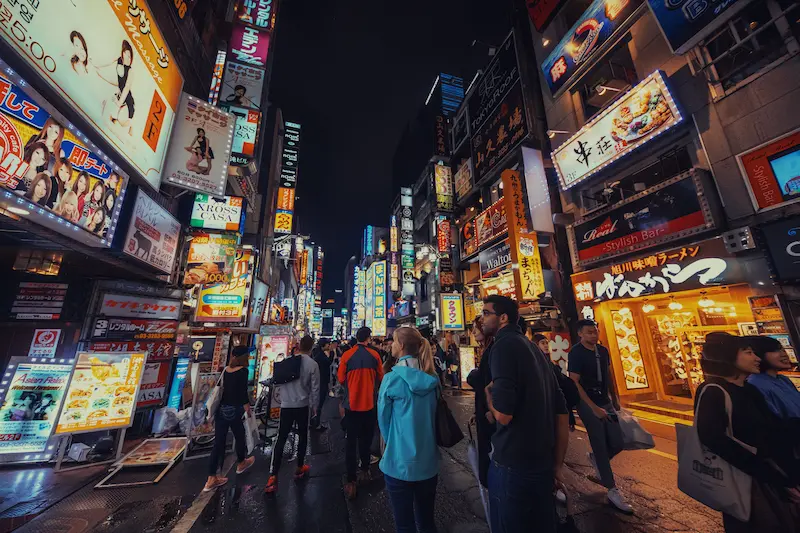
Shibuya is where Tokyo shows off its speed. It’s the neighborhood of the scramble crossing, and the food scene matches that pace, fast, loud, and packed with options within a five-minute walk of the station.
Ready to book your Tokyo trip?
Kaikaya
Price range: ¥5,800 to ¥9,000 per person
Neighborhood: Shibuya
Website: kaikaya.com
Kaikaya leans into a port-town izakaya feel, with tanks along the wall and an English-speaking owner-chef who trained as a cook from the age of 16. The tuna spareribs are the dish regulars order every visit, and the sashimi arrives cut thick and clearly fresh. Course menus start at ¥5,800 and include several of the restaurant’s signature small plates.
Sushi Hajime
Price range: ¥15,000 to ¥25,000 per person
Neighborhood: Shibuya
Website: View on Tabelog
Sushi Hajime makes our best restaurants in Tokyo list and is a refined omakase counter built around Edomae technique, with fish sourced directly from Toyosu Market the same morning it’s served. The rice is seasoned with premium Aizu Koshihikari and a carefully balanced vinegar blend, which shows in how clean each piece tastes. It’s a solid pick if you want a proper sushi counter experience without leaving Shibuya for Ginza.
Ichiran Shibuya
Price range: ¥1,000 to ¥1,500 per person
Neighborhood: Shibuya
Website: View on Tabelog
Ichiran is a chain, but it’s a genuinely useful one for first-time visitors. Each diner sits in a private booth and customizes their tonkotsu broth, spice level, and noodle firmness on a paper order form before the bowl arrives. It’s fast, cheap, and a good introduction to ramen culture before you branch out to smaller shops.
Denko-sekka
Price range: ¥1,500 to ¥3,000 per person
Neighborhood: Shibuya
Website: gorp.jp
Denko-sekka specializes in Hiroshima-style okonomiyaki, a savory pancake layered with noodles and vegetables rather than mixed together like the Osaka version. It’s grilled without pressing down, which keeps the texture fluffier than what you’ll find elsewhere in Tokyo. The Tappuri Cheese variation, loaded with melted cheese over the sauce, is the one locals point tourists toward.
Shibuya Sushiki
Price range: ¥8,000 to ¥15,000 per person
Neighborhood: Shibuya
Website: View on Tabelog
Shibuya Sushiki is a quieter, more understated counter than most of the sushi spots in this neighborhood, run by a chef who spent years building restaurants in Australia before returning home. The sushi rice uses aged, sun-dried rice from Sado Island, giving it a lighter finish than the richer styles found in Ginza. Good option for a special dinner without a Ginza-level reservation wait.
Best Restaurants in Tokyo: Shinjuku
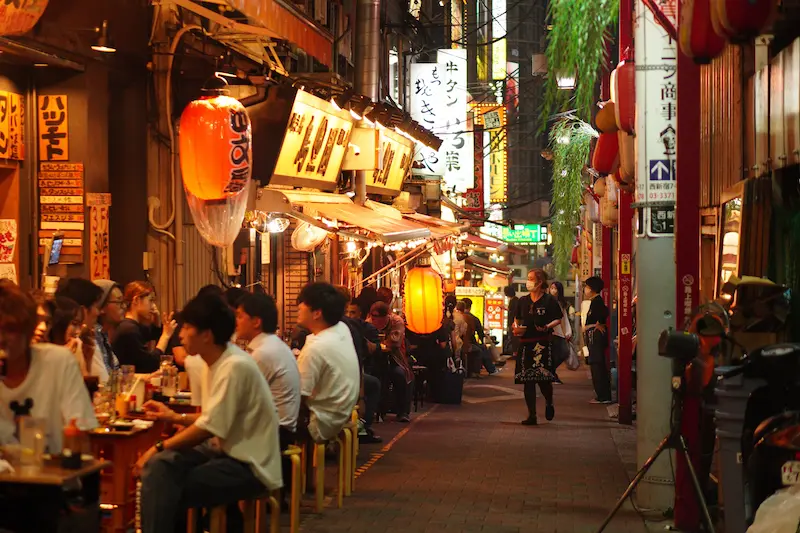
Shinjuku might be the single best neighborhood in Tokyo for sheer restaurant density. It’s also where budget and splurge sit side by side, a tempura counter that’s been frying since 1923 is a few blocks from all-you-can-eat A5 wagyu. You’ll have no problem finding many of the best restaurants in Tokyo here.
Tsunahachi
Price range: ¥2,000 to ¥4,000 per person
Neighborhood: Shinjuku
Website: View on Tabelog
Tsunahachi has been frying tempura near Shinjuku’s east exit since 1923, and the counter seating still lets you watch each piece go from batter to plate. The Tempura Zen set, with shrimp, seafood, vegetables, and a kakiage mix, is the standard order and a genuinely filling lunch. It’s one of the more accessible tempura counters in the city if you don’t want to commit to a full omakase course.
Niboshi Ramen Nagi
Price range: ¥900 to ¥1,300 per person
Neighborhood: Shinjuku (Golden Gai, Kabukicho)
Website: n-nagi.com
Niboshi Ramen Nagi is open 24 hours and built its reputation on a dried-sardine broth blended from more than 20 types of niboshi, an unusually intense, umami-forward take on ramen. It sits inside Golden Gai, so it doubles as a good late-night stop after exploring the alley’s tiny bars. The BUTAO pork bone ramen is also on the menu if the sardine broth sounds like too much of a commitment.
Zauo
Price range: ¥3,000 to ¥6,000 per person
Neighborhood: Shinjuku
Website: zauo.com
Zauo turns dinner into a small fishing trip, guests rent rods, catch their own fish from tanks built into the restaurant, and the kitchen prepares whatever’s caught. It’s a genuinely fun concept for families or anyone who wants a Tokyo dinner that isn’t just sitting at a counter. Fish you catch yourself comes at a discount compared to ordering straight off the menu.
Rokkasen
Price range: ¥8,000 to ¥15,000 per person
Neighborhood: Shinjuku
Website: View on Tabelog
Rokkasen specializes in high-grade wagyu, including Matsusaka and Kobe beef, grilled tableside yakiniku-style or served as shabu-shabu if you’d rather skip the smoke. The marbling on the premium cuts is the main event, tender enough that it barely needs the accompanying sauces. Private rooms are available, which makes it a solid pick for a group dinner or a business meal.
Shinjuku Taruichi
Price range: ¥3,000 to ¥5,000 per person
Neighborhood: Shinjuku (Kabukicho)
Website: sinjyuku-taruichi.co.jp
Shinjuku Taruichi is a basement izakaya in Kabukicho, low-key, locals-heavy, and a good entry point if you’ve never done a proper izakaya night. The format is small plates ordered in waves alongside drinks rather than a single main course, so pace yourself and let the table fill up gradually. It’s the kind of spot that rewards ordering something you can’t quite translate off the menu.
Best Restaurants in Tokyo: Ginza
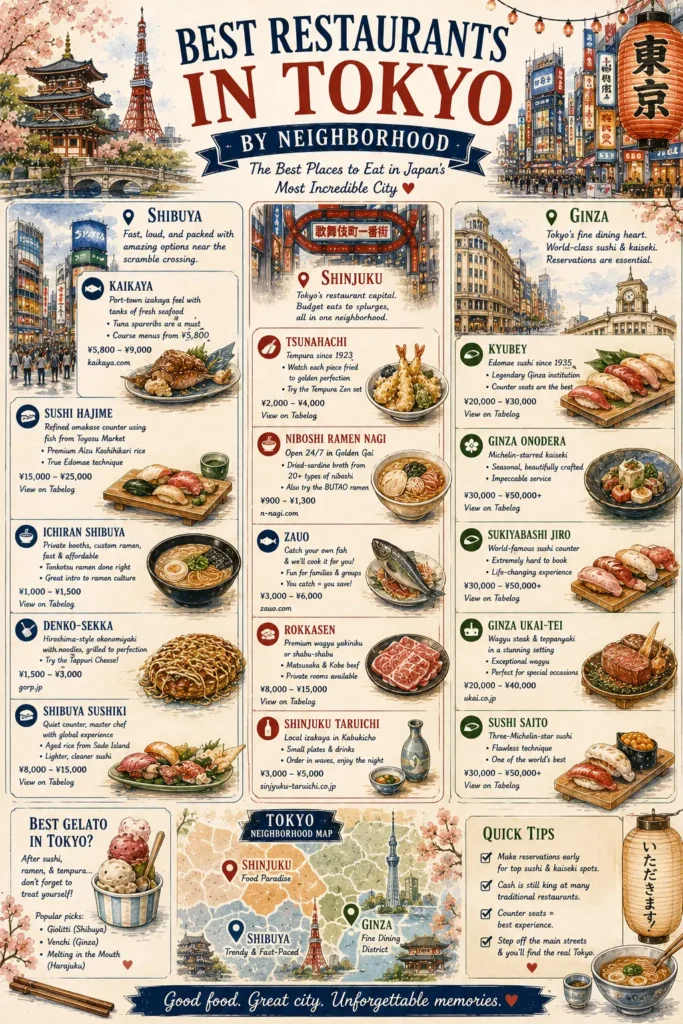
Ginza is Tokyo’s most concentrated fine-dining district, and its sushi scene in particular has a reputation that reaches well beyond Japan. This is where reservations matter most, some of these counters book out two to three months in advance, making them truly the best restaurants in Tokyo.
If sushi is what you’re really after, our guide to the best sushi places in Tokyo breaks it down by budget, from ¥110 conveyor belt plates to the legendary counters in Ginza.
Kyubey
Price range: ¥20,000 to ¥30,000 per person
Neighborhood: Ginza
Website: View on Tabelog
Kyubey has been serving Edomae sushi since 1935 and remains one of the most recognized names in Ginza, the kind of restaurant regulars have been visiting for decades. The counter seating puts you directly in front of the chef’s work, which is worth the price on its own if you’ve never watched sushi made at this level. Reservations well in advance are essentially required.
Ginza Sushi Masa
Price range: ¥20,000+ per person
Neighborhood: Ginza
Website: ginza-sushimasa.com
Ginza Sushi Masa pairs a meticulous omakase course with an extensive sake list, served in a calm, understated dining room rather than a flashy one. Lunch starts around ¥5,000, which makes it one of the more approachable ways to try a Ginza-caliber sushi counter without the full dinner price tag. Private rooms are available for special occasions.
Ippudo Ginza
Price range: ¥1,200 to ¥1,800 per person
Neighborhood: Ginza
Website: View on Tabelog
Ippudo is the ramen chain most visitors already recognize from locations abroad, and the Ginza branch delivers the same rich tonkotsu broth at a fraction of what most Ginza restaurants charge. It’s a reliable choice if you want a break from fine dining without leaving the neighborhood. Expect a short wait during peak lunch hours.
Sushi Ginza Onodera
Price range: ¥20,000 to ¥35,000 per person
Neighborhood: Ginza
Website: View on Tabelog
Sushi Ginza Onodera has built an international reputation, the restaurant was selected to represent Japan at Switzerland’s St. Moritz Gourmet Festival. Expect a tightly paced omakase course built around whatever’s best at the market that day. This is a splurge dinner, and it books up accordingly.
Tapas Molecular Bar
Price range: ¥25,000+ per person
Neighborhood: Ginza (Mandarin Oriental, 38th floor)
Website: View on Tabelog
Tapas Molecular Bar takes a science-lab approach to a Japanese-Western tasting menu, precise, multi-course, and served on the 38th floor of the Mandarin Oriental. It’s a Michelin-recognized experience built more around theater and technique than volume of food. Book well ahead, seating is limited to a small counter.
Note: If ramen is the real priority for your trip, our guide to the best ramen in Tokyo breaks it down by broth style, tonkotsu, shoyu, miso, shio, and tsukemen, with real shops in each.
If you want to go a tier higher, our guide to Michelin star restaurants in Tokyo breaks down the city’s 160 starred tables by tier, from newly starred names to the twelve holding three stars
Best Tokyo Restaurants: Asakusa
Asakusa is the neighborhood that feels the least like the rest of Tokyo, and that’s exactly the draw. It’s built around Senso-ji Temple, and it’s the birthplace of Edo-style tempura, fried in sesame oil rather than the neutral oil used elsewhere in the city.
Daikokuya
Price range: ¥2,000 to ¥4,000 per person
Neighborhood: Asakusa
Website: View on Tabelog
Daikokuya has been frying tempura a short walk from Senso-ji since 1887, and the sauce recipe is rumored to be unchanged since the restaurant opened. The tempura here is darker and moister than the crisp style most visitors expect, a direct result of the sesame oil frying method. Arrive early or expect to queue, especially around lunch.
Tempura Asakusa SAKURA
Price range: ¥6,000 to ¥12,000 per person
Neighborhood: Asakusa
Website: tempura-asakusa.com
Tempura Asakusa SAKURA is one of the few tempura restaurants in Tokyo built specifically around dietary restrictions, the entire menu is gluten-free and halal-certified. Cherry blossoms cover the ceiling year-round, and all ten seats face the counter so you can watch each piece fried to order. English-speaking staff make it an easy stop for international visitors.
Owariya
Price range: ¥1,000 to ¥2,000 per person
Neighborhood: Asakusa
Website: View on Tabelog
Owariya is a long-established soba restaurant sitting between Asakusa and Tawaramachi stations, popular enough with locals that regulars order almost anything on the menu with confidence. Tempura and udon are also on offer alongside the soba, and the consensus seems to be that everything here is reliably good. It’s an easy, unfussy lunch stop between temple visits.
Nakasei
Price range: ¥2,500 to ¥4,500 per person
Neighborhood: Asakusa
Website: View on Tabelog
Nakasei has operated since 1870 in a traditional sukiya-style building across from the Asakusa Public Hall, complete with a koi pond in the courtyard. The Tempura Set Meal, with tiger prawns, whiting, conger eel, and kakiage, is the standard order at around ¥3,000. It’s as much a small piece of old Tokyo as it is a meal.
Kamiya Bar
Price range: ¥1,000 to ¥2,500 per person
Neighborhood: Asakusa
Website: View on Tabelog
Kamiya Bar is Tokyo’s oldest bar, open since 1880, and still pours its famous Denki Bran cocktail alongside a simple food menu. It’s less about the food and more about sitting somewhere that’s been part of Asakusa’s daily life for well over a century. A good stop for a drink and a light bite rather than a full sit-down meal.
Best Tokyo Restaurants: Roppongi
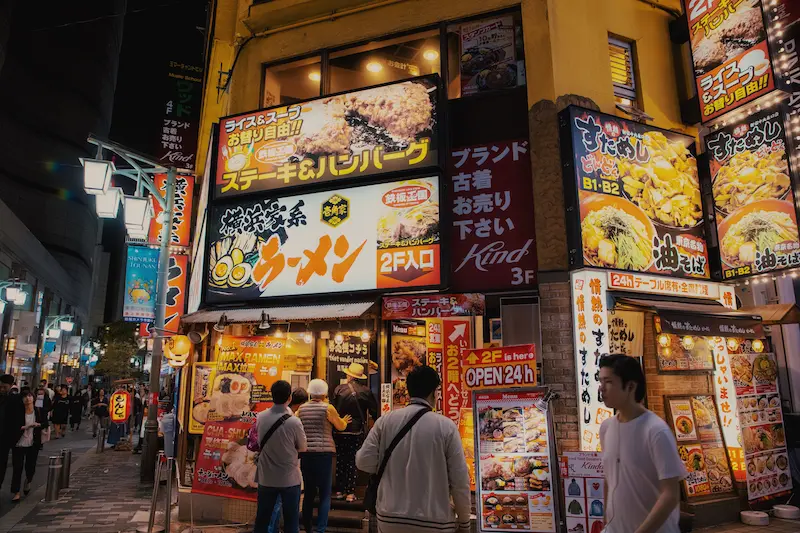
Roppongi has two identities that somehow don’t clash: by day it’s art museums and skyscraper views, by night it’s one of Tokyo’s most active nightlife districts.
Sukiyabashi Jiro Roppongi
Price range: ¥20,000 to ¥30,000 per person
Neighborhood: Roppongi
Website: View on Tabelog
This Roppongi location is run by Takashi Ono, the younger son of Jiro Ono, the sushi master made famous by the documentary Jiro Dreams of Sushi. The setting is simple and elegant, letting the sushi itself stay the focus rather than the room around it. Reservations are typically needed well in advance given the name attached to it.
Inakaya East
Price range: ¥10,000 to ¥15,000 per person
Neighborhood: Roppongi
Website: View on Tabelog
Inakaya East is a robatayaki restaurant built around theater as much as food, you order by pointing at ingredients laid out in front of an open grill, and the chefs pass the finished dish across the counter on a long wooden paddle. It’s loud, lively, and a genuinely fun night out. A Fodor’s-recommended pick for anyone who wants dinner with a bit of performance built in.
Fukuzushi
Price range: ¥8,000 to ¥15,000 per person
Neighborhood: Roppongi
Website: View on Tabelog
Fukuzushi is a long-standing sushi counter in Roppongi known for unhurried, attentive service and a set menu format that takes the guesswork out of ordering. It’s a steadier, quieter option compared to some of Roppongi’s louder dinner spots. Good choice if you want a proper sushi dinner without venturing into Ginza.
Gonpachi Nishi-Azabu
Price range: ¥3,000 to ¥6,000 per person
Neighborhood: Roppongi (Nishi-Azabu)
Website: View on Tabelog
Gonpachi Nishi-Azabu is a multi-floor izakaya widely believed to have inspired the House of Blue Leaves set from Kill Bill, and the traditional wooden interior makes that connection easy to see. The food is solid, classic izakaya fare, but the atmosphere is really the draw here. Expect it to be busy most nights of the week.
Ippudo Roppongi
Price range: ¥1,200 to ¥1,800 per person
Neighborhood: Roppongi
Website: View on Tabelog
Ippudo’s Roppongi location is a reliable late-night stop for the neighborhood’s bar crowd, serving the same rich tonkotsu ramen found at its other Tokyo branches. It’s an easy, no-frills option to end a night out before heading home. Seats fill up fast after midnight on weekends.
Beyond Sushi: Yakitori, Tempura, and Izakaya Culture in Tokyo
Tokyo’s restaurant scene goes well beyond any single dish, and a few categories deserve a mention even though they didn’t earn their own dedicated guide.
Best Yakitori in Tokyo
Yakitori, skewered and grilled chicken, is best experienced in one of Tokyo’s yokocho, the narrow alleyways packed with tiny counter restaurants. Omoide Yokocho in Shinjuku is the most famous of these, though Shibuya and Shinjuku both have strong standalone yakitori counters if you’d rather sit down properly than stand at an alley stall.
Best Tempura in Tokyo
While Asakusa is the historic home of tempura, you’ll find excellent versions across the city. Tsunahachi in Shinjuku has been a tempura fixture since 1923, and Ginza’s tempura counters lean lighter and more refined than the Asakusa style, a good comparison if you want to taste the regional difference in a single trip.
Izakaya Culture
An izakaya isn’t really a restaurant in the Western sense, it’s closer to a Japanese pub, where you order a rotating stream of small plates alongside drinks rather than a single main course. Shinjuku Taruichi and Gonpachi Nishi-Azabu are both strong entry points if you’ve never done an izakaya night before. Expect to order more than you think you need. That’s the whole point.
If you’d rather have a guide handle the reservations and translations, our guide to Tokyo food tours covers the best market crawls, neighborhood tours, and combo experiences worth booking.
Planning Your Trip to Tokyo
Planning Your Trip to Tokyo?
Find flights, book your hotel, and explore everything Tokyo has to eat.