
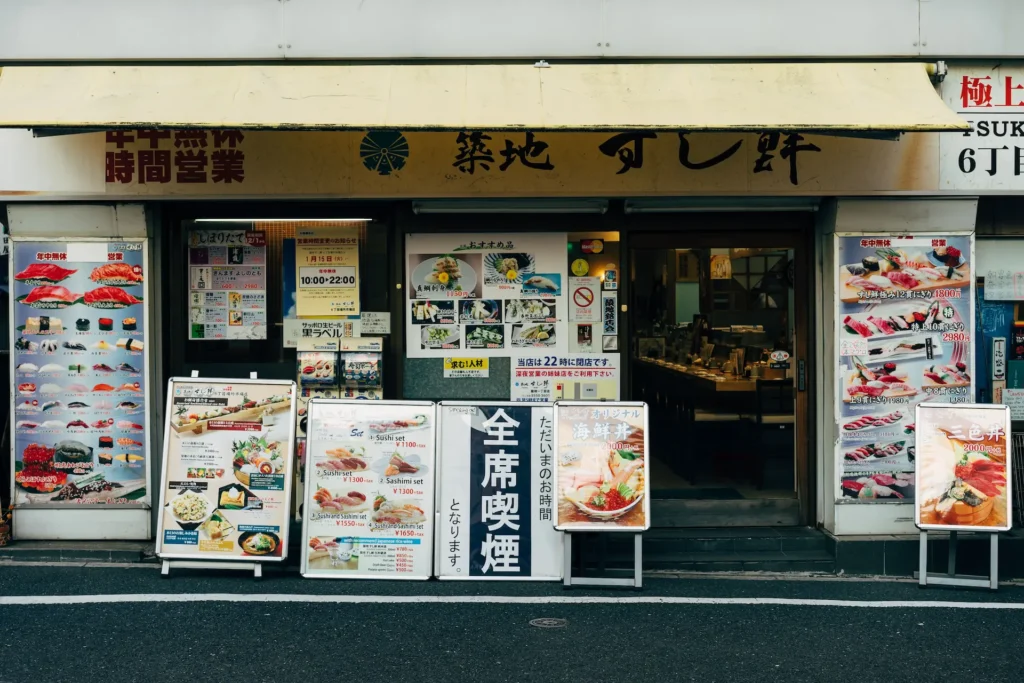
The best sushi places in Tokyo aren’t hiding behind some secret address only locals know. Some of them are sitting on a conveyor belt for ¥110 a plate, and some require a reservation you make the same week you book your flight. I remember standing in front of a kaiten-zushi belt during my two weeks training in Tokyo, genuinely stunned that plates this good were cycling past me for less than the price of a coffee back home. That’s really the story of sushi in Tokyo, quality shows up at every single price point, you just have to know which tier you’re walking into. This guide breaks the best sushi places in Tokyo down into three tiers, budget conveyor belt spots, mid-range counters worth a real reservation, and the high-end names that built the city’s sushi reputation in the first place.
Find Your Tokyo Sushi Spot by Budget
Select a tier to see our top five picks.
Select a tier above to see our sushi picks.
Budget: Conveyor Belt Sushi in Tokyo
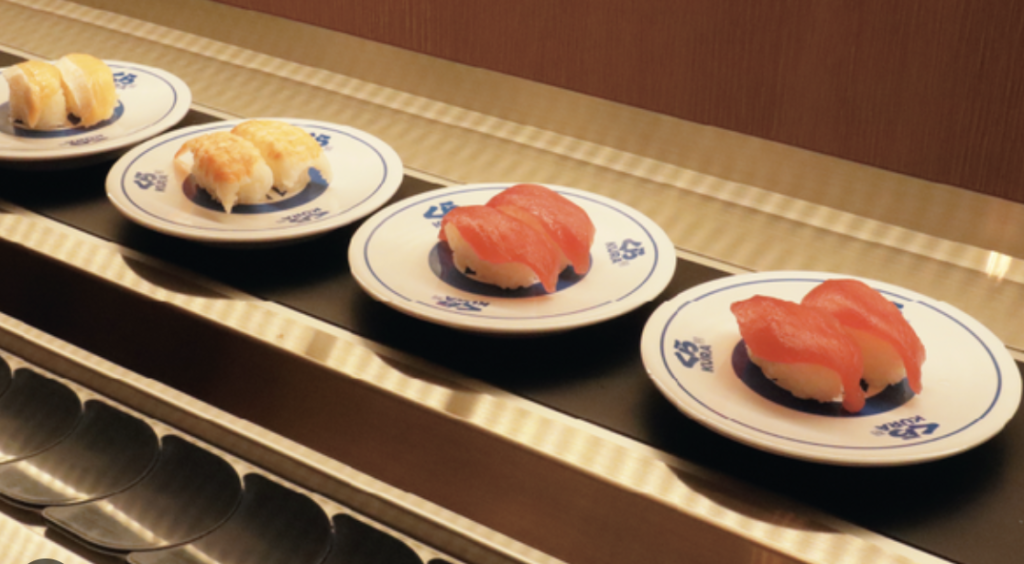
Kaiten-zushi, conveyor belt sushi, is where most visitors are genuinely surprised by how good the best sushi places in Tokyo can be on a tight budget. Plates start around ¥110 and even the most basic chains use fresh fish, a level of quality-to-price that’s hard to find outside Japan.
Sushiro
Price range: ¥1,000 to ¥2,000 per person
Neighborhood: Multiple locations citywide
Website: Read more
Sushiro is Japan’s largest kaiten-zushi chain by revenue, and the quality-to-price ratio is genuinely hard to beat anywhere in the city. Touchscreen ordering means you’re never stuck waiting on a slow belt for the plate you actually want. It’s a reliable first stop if you’ve never done conveyor belt sushi before.
Uobei Shibuya
Price range: ¥1,000 to ¥1,800 per person
Neighborhood: Shibuya
Website: Read more
Uobei skips the traditional belt entirely in favor of a high-speed lane that shoots your order directly to your seat, walking distance from the scramble crossing. It’s fast, a little futuristic, and genuinely fun the first time a plate arrives like a tiny bullet train. English touchscreen ordering makes it an easy stop for first-timers.
Nemuro Hanamaru
Price range: ¥1,500 to ¥3,000 per person
Neighborhood: Tokyo Station (KITTE Marunouchi) and Ginza
Website: Read more
Nemuro Hanamaru brings Hokkaido’s northern seafood into Tokyo, and it shows in the quality compared to some of the more generic chains. Every piece is hand-formed by trained sushi chefs rather than machine-pressed, which pushes the price slightly higher than Sushiro but still firmly in budget territory. The Tokyo Station branch is convenient if you’re catching a train later in the day.
Katsu Midori
Price range: ¥1,200 to ¥2,500 per person
Neighborhood: Multiple locations citywide
Website: Read more
Katsu Midori is one of the most popular kaiten-zushi chains among both locals and tourists, known for large portions and consistently high quality despite the fast turnover. Expect a line, the wait is part of the reputation at this point, but tables move quickly once you’re seated. Run by the long-established Sushi no Midori group.
Kura Sushi
Price range: ¥1,000 to ¥1,800 per person
Neighborhood: Multiple locations citywide
Website: Read more
Kura Sushi is a major nationwide chain known for its bio-x hygiene system, every plate is sealed under a small cover until it reaches your seat. It’s a good pick for families or anyone who wants a bit more peace of mind with a conveyor belt format. Plates are color-coded by price, so tracking your bill as you go is simple.
Ready to book your Tokyo trip?
Mid-Range: Sushi Counters Worth the Reservation
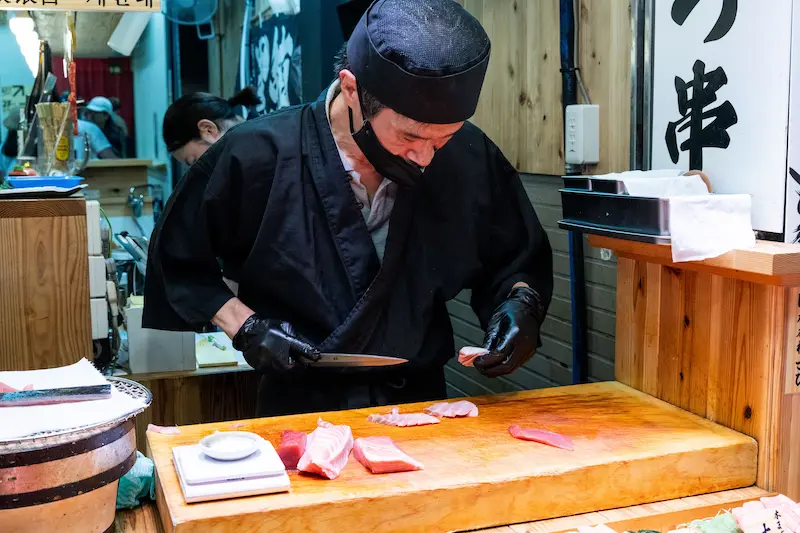
This is the tier most visitors don’t know exists when they’re searching for the best sushi places in Tokyo, real Edomae counter sushi, hand-pressed by an actual chef, for a fraction of what the big Ginza names charge.
Sushi Tokyo Ten
Price range: ¥4,400 (weekday lunch) to ¥9,900 (dinner course) per person
Neighborhood: Shibuya, with additional locations in Shinjuku, Roppongi, and Takanawa
Website: Read more
Sushi Tokyo Ten built a serious following on its ¥4,400 weekday walk-in lunch, though the popularity means walk-ins have gotten harder to count on. There’s no printed menu, the chef simply works through a 25 to 26 course omakase built around whatever’s best that day. It’s one of the better values in the entire city for the format.
Manten Sushi
Price range: ¥8,800 per person
Neighborhood: Marunouchi, near Tokyo Station
Website: Read more
Manten Sushi sits a five-minute walk from Tokyo Station and focuses heavily on tuna sourced directly from Toyosu Market. With around 24 seats, it’s more accessible than most Ginza counters without feeling like a step down in quality. Reservations are still recommended given how well-regarded it’s become.
Sushidan
Price range: ¥3,500 (lunch) to ¥8,800 (dinner) per person
Neighborhood: Hiroo
Website: Read more
Sushidan is run by chef Takehiro Arakawa, who trained under a chef that earned Michelin-star status for another restaurant in just six months. The eight-seat counter keeps things intimate, and the lunchtime Shiro course is one of the better value omakase experiences in the city. Hiroo’s expat-heavy neighborhood makes this an easy stop if you’re staying nearby.
Sushi Matsumoto
Price range: ¥5,000 (lunch) to ¥11,000+ (dinner) per person
Neighborhood: Shibuya
Website: Read more
Sushi Matsumoto is a branch of Akasaka Sushi Matsumoto, a restaurant that held a Michelin star in both 2019 and 2020. This location keeps that pedigree at a noticeably friendlier price point, with a peaceful counter just a short walk from Shibuya Crossing. Good balance of authentic Edomae nigiri and a few playful appetizers.
Ikina Sushi Dokoro Abe
Price range: ¥7,000 to ¥7,500 per person
Neighborhood: Aoyama, near Omotesando
Website: Read more
Ikina Sushi Dokoro Abe sources from Toyosu Market and pairs it with premium Koshihikari rice from Niigata, open until 3am for anyone whose schedule doesn’t cooperate with typical dinner hours. The 90-minute course includes miso soup and small dishes alongside the nigiri. English-speaking staff make pairing sake or shochu easy if you’re unsure where to start.
High-End: The Legendary Names
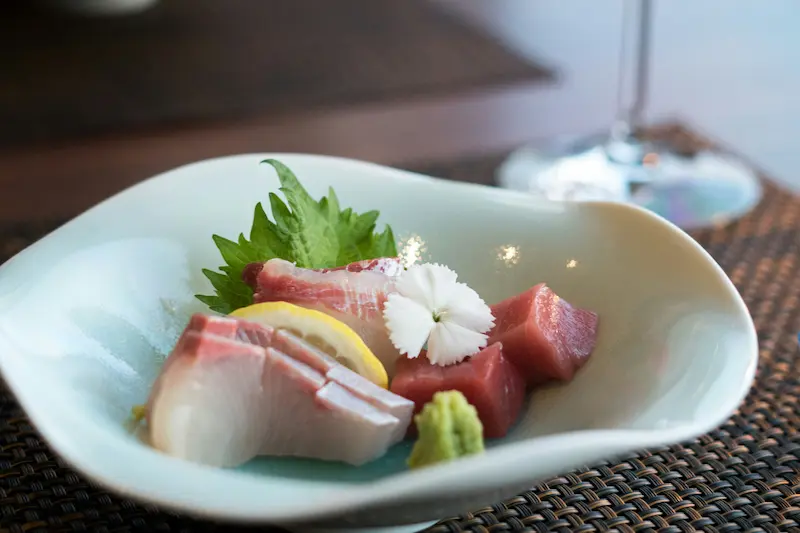
If you want the names that actually define the best sushi places in Tokyo at the top end, reservations matter most here, some of these counters book out two to three months in advance.
Kyubey
Price range: ¥20,000 to ¥30,000 per person
Neighborhood: Ginza
Website: Read more
Kyubey has served Edomae sushi since 1935 and remains one of the most recognized names in Ginza. The counter seating puts you directly in front of the chef’s work, worth the price alone if you’ve never watched sushi made at this level. Reservations well in advance are essentially required.
Sushi Ginza Onodera
Price range: ¥20,000 to ¥35,000 per person
Neighborhood: Ginza
Website: Read more
Sushi Ginza Onodera has built an international reputation, selected to represent Japan at Switzerland’s St. Moritz Gourmet Festival. Expect a tightly paced omakase course built around whatever’s best at the market that day. This is a splurge dinner, and it books up accordingly.
Sukiyabashi Jiro Roppongi
Price range: ¥20,000 to ¥30,000 per person
Neighborhood: Roppongi
Website: Read more
This Roppongi location is run by Takashi Ono, the younger son of Jiro Ono, the sushi master made famous by the documentary Jiro Dreams of Sushi. The setting stays simple and elegant, letting the sushi itself remain the focus. Reservations are typically needed well in advance given the name attached to it.
Several of these high-end counters carry Michelin recognition too. Our guide to Michelin star restaurants in Tokyo covers the city’s starred dining scene in full, sushi and beyond.
Sushi Azabu
Price range: ¥4,800 (lunch) to ¥9,800+ (dinner) per person
Neighborhood: Azabudai Hills
Website: Read more
Sushi Azabu is a formerly Michelin-starred restaurant that sources its seafood straight from Toyosu Market, and despite its upscale Azabudai Hills address, the lunch menu is a genuine deal at 14 items for under ¥5,000. Dinner steps up considerably in scale and price. A good middle ground for anyone who wants a taste of the high-end tier without the full splurge.
Kudanshita Sushi Masa
Price range: ¥15,000 to ¥22,000 per person
Neighborhood: Kudanshita, in Tokyo’s former geisha district
Website: Read more
Kudanshita Sushi Masa has served Edomae sushi since 1861, now overseen by fifth-generation owner Masahiro Tobari. The restaurant preserves centuries-old preparation methods, including a long-loved recipe for simmered anago. Served in elegant tatami rooms, it’s as much a piece of Tokyo’s culinary history as it is a meal.
If a sit-down meal isn’t the priority and you’d rather build a full evening around a neighborhood instead, our guide to the best restaurants in Tokyo breaks the city down by area. Craving something warmer and cheaper instead? Our guide to the best ramen in Tokyo covers every broth style, from tonkotsu to tsukemen.
Prefer to let someone else handle the ordering? Our guide to Tokyo food tours includes several tours built around sushi and market tastings.
Best Sushi Places in Tokyo FAQ
How much does sushi cost in Tokyo?
It ranges enormously by tier. Budget conveyor belt spots run ¥110 to ¥150 per plate, with a full meal typically landing between ¥1,000 and ¥3,000. Mid-range omakase counters run ¥4,000 to ¥10,000 per person, while the high-end legendary names can run ¥20,000 to ¥35,000 or more.
Do I need a reservation for sushi in Tokyo?
For the high-end counters, yes, often two to three months in advance. Mid-range spots vary, some take walk-ins for lunch but require reservations for dinner. Budget conveyor belt chains almost never need one, though popular locations can have a 30 to 90 minute wait during peak hours.
Is conveyor belt sushi in Tokyo actually good?
Yes, genuinely. Even the most basic kaiten-zushi chains use fresh fish and consistently surprise first-time visitors, since the format was built around speed and value rather than cutting corners on quality.
What’s the difference between kaiten-zushi and omakase?
Kaiten-zushi is self-serve, you pick plates off a belt or order from a tablet, paying by plate color or count. Omakase means leaving the meal entirely to the chef, who serves a set course piece by piece based on what’s freshest that day, no menu involved.
What’s the best way to choose a sushi restaurant in Tokyo if I don’t have a reservation?
Start with a well-regarded conveyor belt chain or a mid-range counter known for accepting walk-ins at lunch. Lunch omakase is also usually cheaper and easier to book than dinner, even at otherwise hard-to-get restaurants.
Planning Your Trip to Tokyo
Planning Your Trip to Tokyo?
Find flights, book your hotel, and explore everything Tokyo has to eat.