
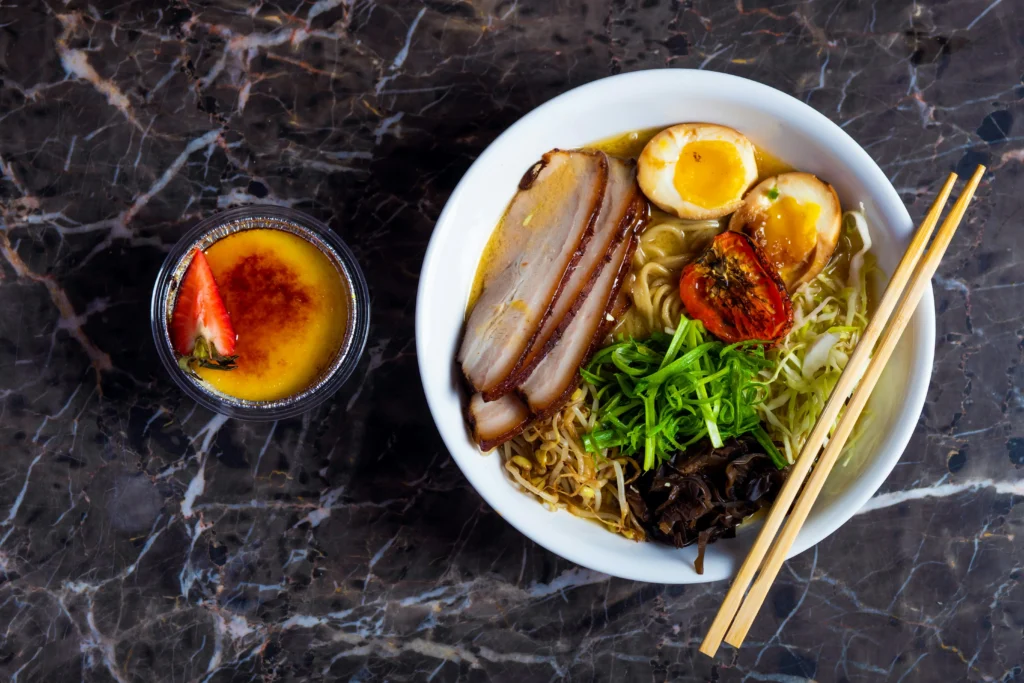
There are somewhere north of ten thousand ramen shops in Tokyo, and asking for the “best” one is a little like asking someone to name their favorite bar in a city with ten thousand bars. What you actually want to know is which style suits the mood you’re in. The best ramen in Tokyo isn’t one bowl, it’s five totally different arguments happening at once, tonkotsu loyalists, shoyu purists, miso die-hards, and the tsukemen crowd who’ll tell you dipping noodles ruin you for regular ramen forever.
When I was in Tokyo my first time, I didn’t know there were sides to pick, I just ate whatever the shop with the longest line was serving and figured the wait meant something. Turns out it usually did. This guide breaks the best ramen in Tokyo down by broth style, so you can walk into a shop already knowing what you’re ordering instead of pointing at the ticket machine and hoping.
Find Your Tokyo Ramen by Style
Select a broth style to see our top picks.
Select a style above to see our picks.
Finding the Best Ramen in Tokyo, Style by Style
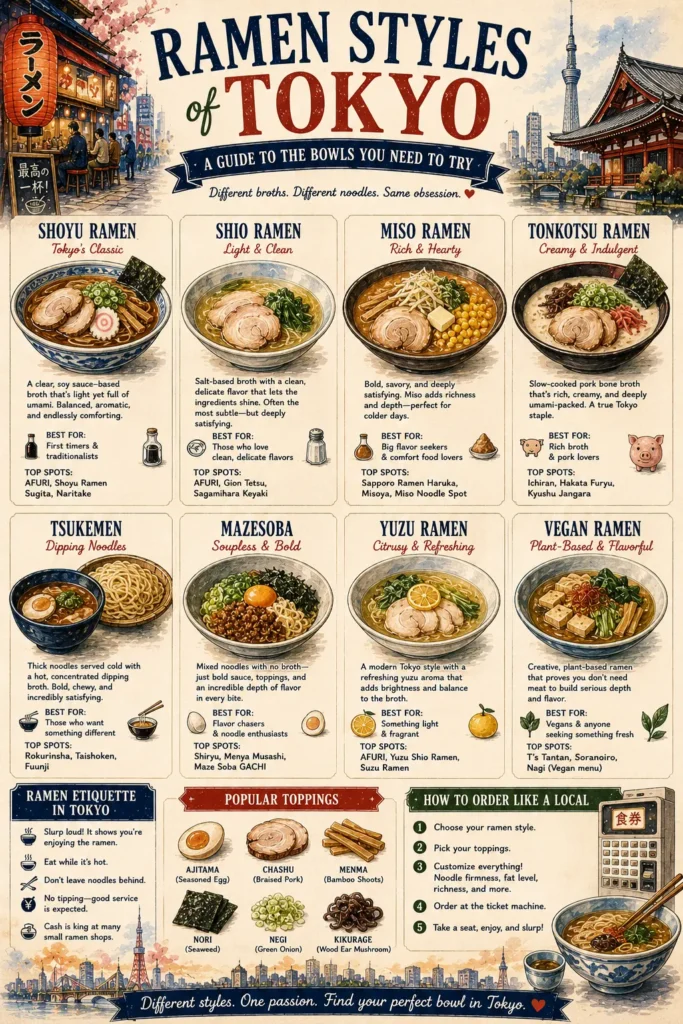
Ramen in Japan isn’t one dish, it’s a family of them, and the broth is what separates the styles more than anything else. Below, five categories, with real shops worth trying in each so you’re not just reading theory.
Ready to book your Tokyo trip?
Tonkotsu: Rich, Pork-Bone Broth
Tonkotsu is the broth most people picture when they think of ramen, thick, cloudy, and built from pork bones simmered for hours until the collagen breaks down into something almost creamy.
Ichiran
Price range: ¥1,000 to ¥1,500 per person
Neighborhood: Multiple locations citywide, including Shibuya
Website: en.ichiran.com
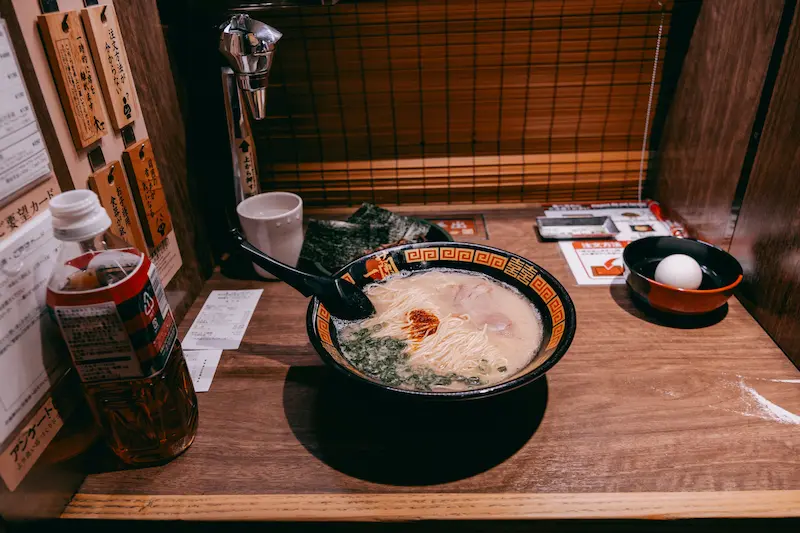
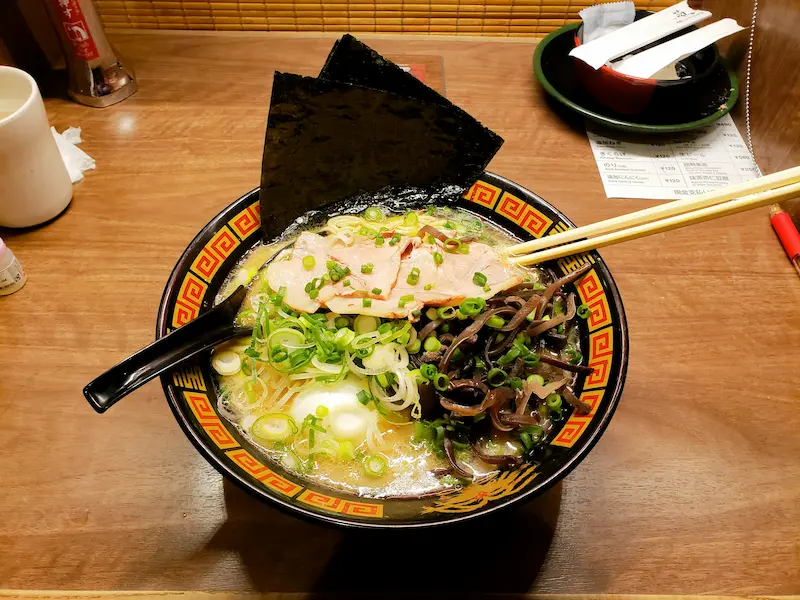
Ichiran is the chain most visitors already know, private booths, a paper order form for broth richness and noodle firmness, and a tonkotsu broth extracted purely from pork bones, no fish or vegetable stock cutting the richness. A reliable, no-conversation-required entry point into the style.
Tanaka Shoten
Price range: ¥900 to ¥1,400 per person
Neighborhood: Adachi, with a branch at Diver City Odaiba
Website: Read more
Tanaka Shoten’s Hakata-style broth is boiled for three days using only pig’s head, unapologetically heavy and genuinely funky in the best way. It’s the kind of bowl that smells like commitment the second you walk in the door. The flagship shop is a real trek from central Tokyo, so the Odaiba branch is the easier option for most visitors.
Ramen Jiro
Price range: ¥800 to ¥1,200 per person
Neighborhood: Multiple locations citywide
Website: Read more
Ramen Jiro is one of the most legendary names in Tokyo tonkotsu, thick noodles, clouds of pork fat, raw minced garlic piled on by the fistful, and bowls stacked so high they tower over the table. It’s not a subtle bowl of ramen, and it’s not trying to be. Portions run enormous, so come hungry.
Akanoren
Price range: ¥900 to ¥1,300 per person
Neighborhood: Roppongi
Website: Read more
Akanoren was one of the first shops to bring proper Kyushu-style tonkotsu to Tokyo, thick and milky with a tangy jolt of soy sauce seasoning underneath. Open until 4:45am, it’s a solid late-night option after a night out in Roppongi.
If you’d rather have a guide walk you through it, our guide to Tokyo food tours includes a ramen tasting tour built around exactly this.
Shoyu: Soy Sauce-Based, the Original Tokyo Style
Shoyu is technically where Tokyo ramen started, a clear, soy-sauce-seasoned broth that’s lighter than tonkotsu but still deeply savory.
Mutekiya
Price range: ¥900 to ¥1,300 per person
Neighborhood: Ikebukuro (Toshima)
Website: Read more
Mutekiya has been serving its signature bowl in Ikebukuro for more than thirty years, a shoyu-tonkotsu hybrid loaded with tender pork, a soy-braised egg, bamboo shoots, and leafy greens. Expect a line, this is a genuine neighborhood institution, not a tourist trap dressed up as one.
Takano
Price range: ¥850 to ¥1,150 per person
Neighborhood: Central Tokyo
Website: Read more
Takano’s chuka soba pairs Akita free-range chicken with sweet niboshi for a broth that’s full-flavored without tipping into greasy. Topped with thick chashu and a gooey parboiled egg, it’s a solid starting point for anyone new to shoyu ramen.
Kugatsudo
Price range: ¥900 to ¥1,300 per person
Neighborhood: Shibuya
Website: kugatsudo.net
Kugatsudo builds its shoyu broth as a “W soup,” pork and chicken bones combined with a seafood broth, simmered all day with aromatic vegetables and an unusual addition of black beans for subtle sweetness. Reservations are possible, and an English menu makes it an easy, tourist-friendly stop tucked into Shibuya’s back streets.
Manpuku
Price range: ¥900 to ¥1,400 per person
Neighborhood: Ginza
Website: Read more
Manpuku is believed to be Tokyo’s second-oldest ramen restaurant, open since 1929, and its chukasoba is about as close to the original shoyu style as you’ll find today. The signature egg omelette topping is as much a piece of ramen history as it is a photo opportunity.
Miso: Rich, Fermented, and Built for Cold Weather
Miso ramen originated in Sapporo but has a strong following in Tokyo, a broth built on fermented soybean paste blended with chicken, pork, or seafood stock for something deeply umami.
Kikanbo
Price range: ¥900 to ¥1,300 per person
Neighborhood: Kanda
Website: Read more
Kikanbo, named after a horned demon from Japanese folklore, combines mouth-numbing Sichuan peppers with a thick miso broth, chewy noodles, and generous chashu. The heat is adjustable, and even the standard level has a real kick.
Hanamichi
Price range: ¥900 to ¥1,200 per person
Neighborhood: Nogata
Website: Read more
Hanamichi is known for a rich white miso broth built with garlic and lard, mixed with pork, chicken, and vegetable stock. It’s a filling, deeply savory bowl, and the free leek and bean sprout topping is worth adding if you’ve got the appetite to finish it.
Oshima
Price range: ¥900 to ¥1,300 per person
Neighborhood: Central Tokyo
Website: Read more
Oshima consistently tops Tokyo miso ramen lists, serving a Sumire-style bowl from an owner who trained for years at one of Sapporo’s most famous miso shops. Stir-fried vegetables add smokiness, and grated ginger brings a welcome bit of sweetness to balance the richness.
Shio: The Lightest, Salt-Based Broth
Shio is the clearest and lightest of the major styles, a salt-based broth that lets the underlying stock, usually chicken or seafood, do the talking without heavy fat or fermentation.
Menya Hyottoko
Price range: ¥900 to ¥1,300 per person
Neighborhood: Yurakucho
Website: Read more
Menya Hyottoko’s yuzu ramen proves a lighter broth doesn’t mean a less memorable one, a strong citrus note lingers well after the last sip. The shop sits in the basement just above Yurakucho station and seats only seven, so look for the line rather than a sign.
Yakumo
Price range: ¥900 to ¥1,300 per person
Neighborhood: Suginami
Website: Read more
Yakumo specializes in Hakodate-style shio ramen from a chef native to the Hokkaido port city that invented the style. The light pork-and-chicken broth includes seaweed and scallops sourced directly from Hokkaido, giving it a briny depth most shio bowls don’t reach.
Motenashi Kuroki
Price range: ¥980 to ¥1,300 per person
Neighborhood: Asakusa
Website: Read more
Motenashi Kuroki’s shio broth blends two types of chicken, duck, pork, niboshi, and kombu, seasoned with five different salts for real balance and clarity. It’s won multiple industry awards and remains a favorite among Tokyo’s most dedicated ramen fans.
Haruchan Ramen
Price range: ¥900 to ¥1,200 per person
Neighborhood: Central Tokyo
Website: Read more
Haruchan Ramen builds its shio broth from pork, dried sardines, and aromatic vegetables, ladled to the brim of every bowl. It’s a clear, briny style that rewards anyone who wants shio ramen without the fine-dining price tag some of the more celebrated shio shops carry.
Tsukemen: Dipping Noodles, a Different Way to Eat Ramen
Tsukemen serves the noodles and broth separately, thick, chilled noodles you dip into a concentrated, often fattier broth before eating. It’s a genuinely different experience from a bowl of soup ramen.
Fuunji
Price range: ¥900 to ¥1,300 per person
Neighborhood: Shibuya (Yoyogi)
Website: fu-unji.com
Fuunji is one of Tokyo’s most respected tsukemen shops, a thick, fish-and-pork dipping broth paired with firm, chewy noodles. Once you’re done dipping, ask for soup wari, hot dashi poured into the leftover broth to drink as a light finishing course.
Rokurinsha
Price range: ¥1,000 to ¥1,500 per person
Neighborhood: Tokyo Station (Tokyo Ramen Street)
Website: Tokyo Ramen Street
Rokurinsha helped popularize tsukemen well beyond Tokyo, and its shop inside Tokyo Ramen Street makes it an easy stop if you’re catching a train later in the day. The broth leans thick and rich, built to coat the noodles rather than thin out on the way down.
Menya Itto
Price range: ¥1,100 to ¥1,700 per person
Neighborhood: Shin-Koiwa
Website: Read more
Menya Itto is regularly ranked among the very best tsukemen shops in the city, with two standout options, a soy-and-seafood broth or a genuinely decadent lobster bisque. Save some of the leftover lobster broth if you can, it’s worth asking to have it made into a cheesy risotto.
Michi
Price range: ¥1,000 to ¥1,400 per person
Neighborhood: Central Tokyo
Website: Read more
Michi combines tonkotsu and seafood broths into a traditional, satisfyingly greasy tsukemen that’s built a loyal following well beyond passing trend status. There’s consistently a line, and it’s earned.
If sushi’s more your priority for the trip, our guide to the best sushi places in Tokyo covers everything from ¥110 conveyor belt plates to the legendary Ginza counters. And if you want a full neighborhood-by-neighborhood approach instead, the best restaurants in Tokyo guide breaks the city down by area.
And if a proper splurge dinner is part of the trip, our guide to Michelin star restaurants in Tokyo breaks down the city’s starred dining scene by tier.
Planning Your Trip to Tokyo
Planning Your Trip to Tokyo?
Find flights, book your hotel, and explore everything Tokyo has to eat.
Best Ramen in Tokyo FAQ
What’s the difference between tonkotsu and shoyu ramen?
Tonkotsu uses a pork-bone broth simmered for hours into something thick and creamy. Shoyu uses a lighter, clear broth seasoned primarily with soy sauce. Many Tokyo shops actually blend the two into a hybrid style.
Is ramen in Tokyo cash only?
Most ramen shops are, especially the ticket-machine style where you pay before ordering. It’s worth carrying cash even if a shop’s door sticker suggests otherwise, since machines rarely take cards.
How long is the wait at popular Tokyo ramen shops?
Anywhere from 15 minutes to over an hour at the most famous spots, especially around lunch. Shops generally don’t hold tables, so the line moves as fast as people finish eating, which tends to be quick since lingering isn’t really part of ramen culture.
What is tsukemen and how is it different from regular ramen?
Tsukemen serves the noodles and broth in separate bowls, chilled noodles you dip into a concentrated, often richer sauce, rather than noodles served already sitting in soup. It’s eaten differently and tends to have a more intense flavor per bite.
Can I ask for extra noodles at a ramen shop in Tokyo?
Yes, it’s called kaedama, a noodle refill added to your remaining broth once the first serving is finished, common at tonkotsu shops in particular. It usually costs a small amount extra and is considered completely normal, not excessive.